1. Vitosha Weightlifting Championship is now approaching its seventh edition. How did the idea for the competition come about, and did you ever imagine it would grow to this scale?
The idea for Vitosha Weightlifting Championship came about quite spontaneously at the end of 2022. Radoslav Ovcharov had already joined our team, and Aleksandar Geyman was also coming to the gym regularly at the time. The two trained together, their results were fairly close, and their test lifts often turned into what you might call a healthy rivalry. (Laughs.)
One day, I suggested organizing an impromptu head-to-head contest between them. We came up with some unconventional rules to make it more interesting and decided to turn it into a small event, inviting their friends and people from the gym.
At the time, the UFC fight between Francis Ngannou and Ciryl Gane was coming up. The event poster had caught my eye: half of one fighter’s face opposite half of the other’s. As a joke, we decided to do something similar, and that was how the poster for our own contest came about.
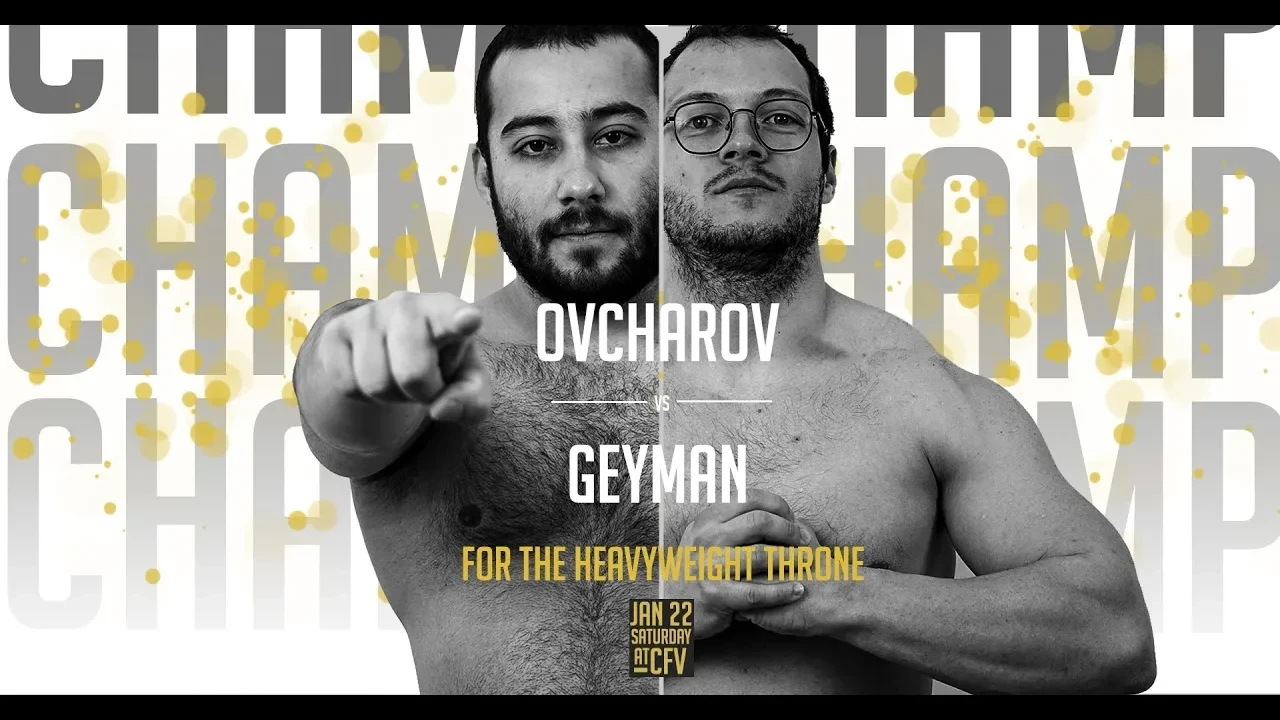
To our surprise, around 30–40 spectators came to the gym. The atmosphere was fantastic. We filmed the event, put together a fun video, and everyone had a great time. OVCHAROV vs GEYMAN: https://www.youtube.com/watch?v=7LgrJDGaivY&t=2s
Rado won. Afterwards, while we were talking, he mentioned that sometimes even national championships had not attracted that many spectators. It made us wonder whether there might be an appetite for a similar event, but as a proper weightlifting competition open to amateurs too.
We decided to give it a go. We announced 30 places for the first edition, and they filled up in just two days. That was the first moment we realized we might have stumbled upon something really interesting.
From there, the competition began to grow. We increased the number of participants in the editions that followed, and the third brought together a full 100 athletes! For us, that was a huge achievement, especially for an event aimed at people who enjoy weightlifting. Participants gradually started arriving from abroad, and professional athletes and children joined the amateurs.
Today, seven weeks before the seventh edition, we already have 96 registered participants and expect to pass the 100 mark.
So, to sum it up, everything began with a friendly rivalry. We saw people’s interest and decided to develop the idea.
To this day, we try to preserve its original purpose: giving everyone who loves weightlifting the chance to step onto the platform and be part of the experience. And, just as importantly, contributing to the promotion and development of the sport through small but consistent steps.
2. One of the defining features of Vitosha Weightlifting Championship is that amateurs, children and professional athletes share the same platform. Why is bringing these different worlds together important to you?
I am a huge sports fan in general. Basketball has always been my favorite sport. I have followed American football for more than 20 years, and volleyball and the UFC for the past ten. Volleyball is more of an occupational hazard. (Laughs.)
What has always impressed me about organizations such as the NBA, NFL and UFC is the way they turn sport into something much bigger than the competition itself. They have enormous fan communities who follow their favorite athletes, buy shirts, tickets and access to online broadcasts, support their teams and feel part of the whole experience. The marketing machine behind these organizations is truly impressive!
Weightlifting is quite different. I got into the sport relatively late, at around 35. What won me over was that, as well as strength, it requires a great deal of technique and precision. I also like the opportunity to keep improving, even in very small steps. There is no way to fake the result: you either lift the barbell or you do not. I still get enormous pleasure from training.
Unfortunately, despite Bulgaria’s remarkable weightlifting tradition, the sport remains relatively niche. We have exceptional champions and tremendous achievements, but not a sufficiently broad fan community. Many people celebrate when a Bulgarian weightlifter wins a medal, yet they do not really know the sport, understand its rules or follow competitions.
I believe a sport needs not only champions, but also fans who love it, understand it and support it.
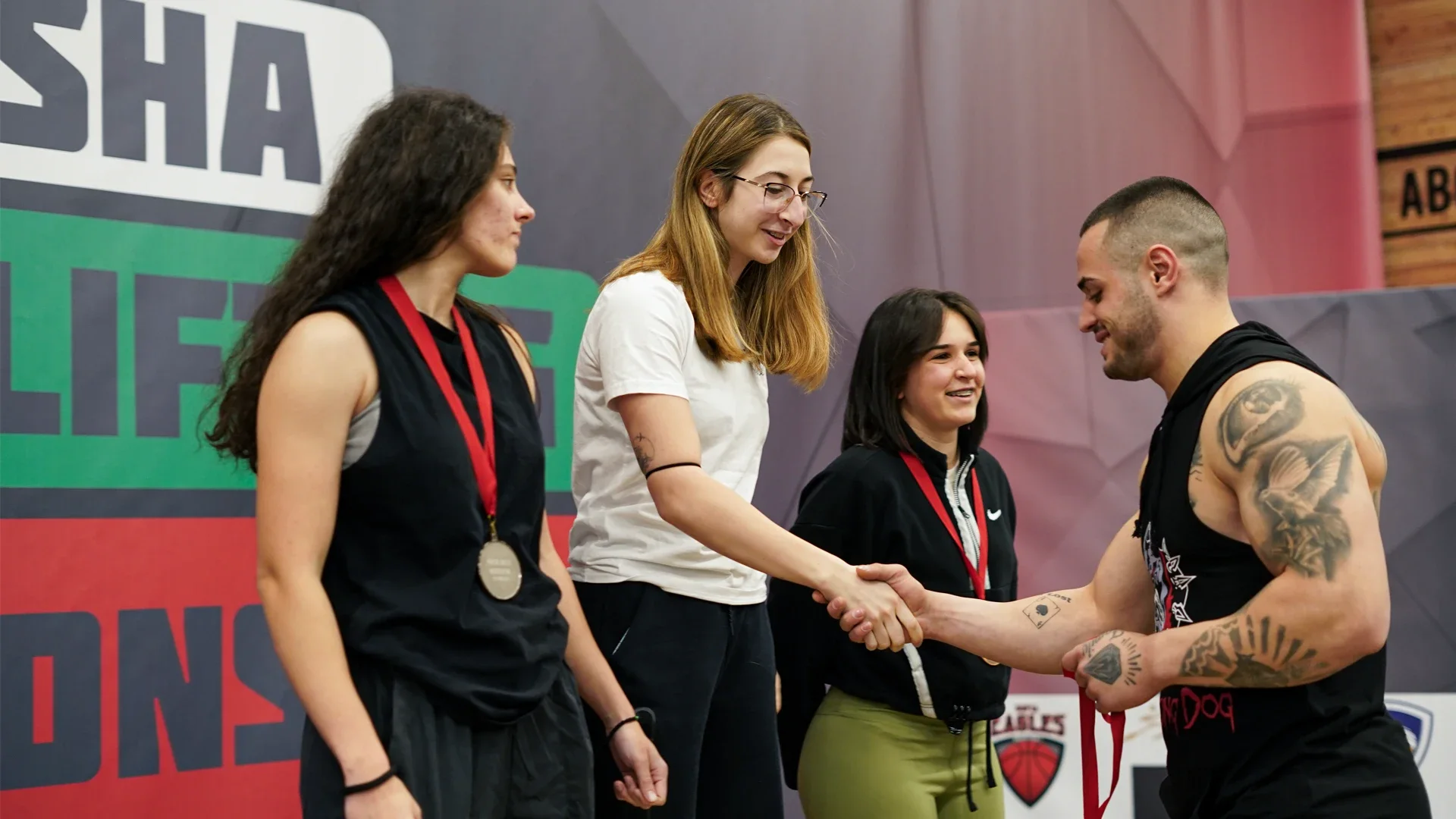
That is one of the main ideas behind VWC. We want to give people who train in weightlifting simply for enjoyment the chance to experience the emotion of a real competition: stepping onto the platform and making their attempts in front of family, friends and an audience. I have seen many such moments over the years, and it is wonderful to watch the emotions of both the athletes and the people supporting them.
Children are also an incredibly important part of our idea. Without young talent, no sport has a future. And I believe professional athletes deserve more opportunities to compete, more attention and greater recognition for the work they put in.
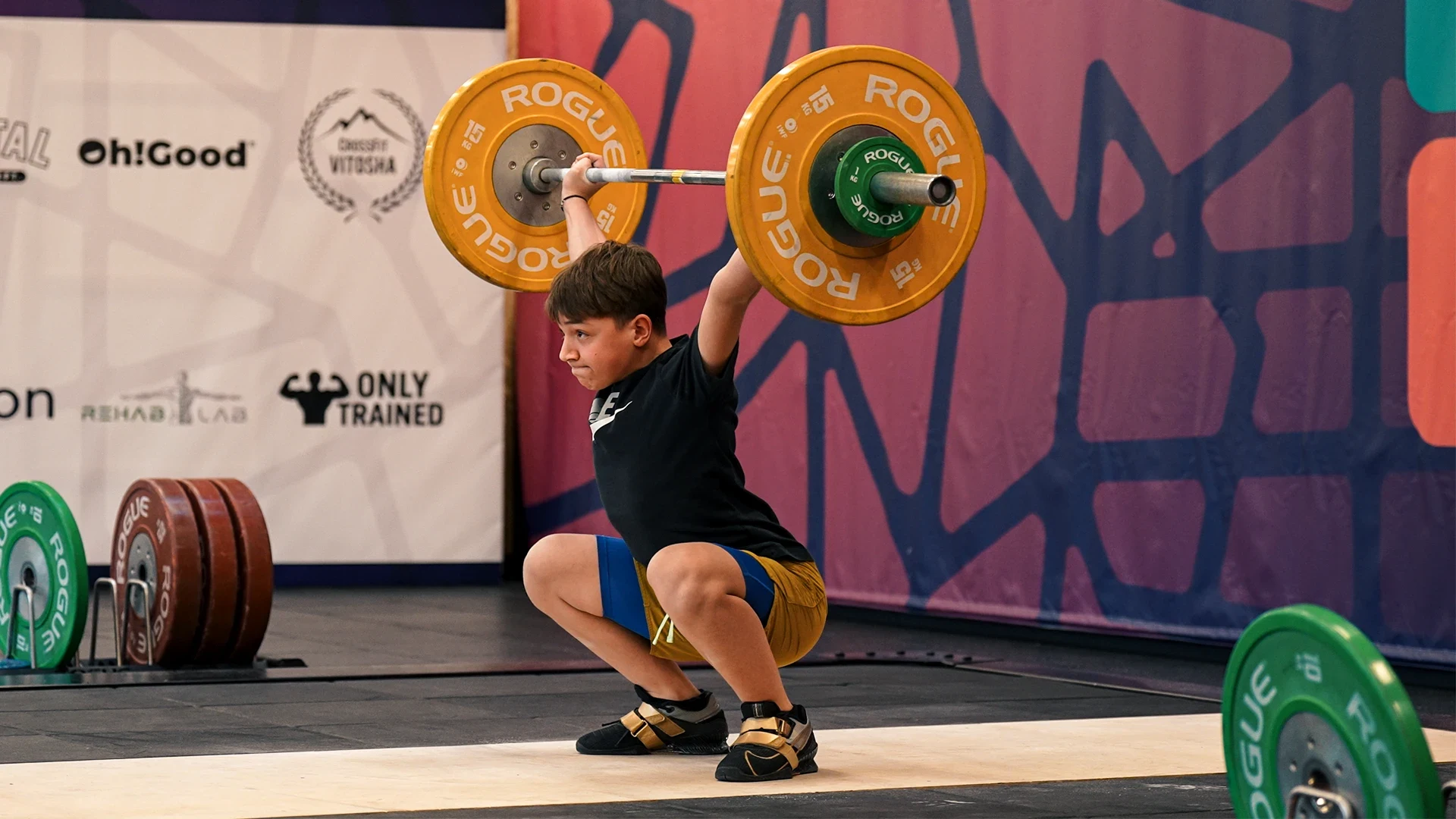
On the same platform, you might see a programmer who trains three times a week for fun, a child who is just discovering the sport, and a national team athlete who represents Bulgaria at European and world championships.
For me, that is exactly where the magic of VWC lies. These people have different goals and abilities, but a shared love of weightlifting brings them together.
I believe that if we can inspire even a small number of people in the gym to follow the sport, support the athletes and take an interest in its development, then we have done something worthwhile. It is a small step, but I think it is in the right direction.
3. VWC already has six editions behind it. Looking back, which moment has given you the greatest satisfaction or made you think, “This is exactly why all of this is worth doing”?
It is difficult to name just one moment, because we have experienced so many wonderful emotions over the years. But there is one memory from the third edition that stands out most vividly. Fortunately, it was captured in a photograph that still hangs on our gym wall today.
By then, we had our first weightlifting gym, Vitosha Barbell, and what we called our “weightlifting community” had formed around it. We had also started filming Lift-Off, our series inspired by UFC Embedded, in which we visited different gyms and followed participants’ preparations ahead of the competition. Even then, you could feel a special excitement among the athletes and the people looking forward to the event.
The third edition took place over two days, with the strongest category scheduled for the end of the second day. Our coach, Radoslav Ovcharov, was competing in it too. I remember climbing onto one of the barriers between the fitness area and the weightlifting gym to film the competition. At one point, I looked up and simply could not believe what I was seeing.
The gym was absolutely packed. By our rough estimate, there were more than 300 spectators. People were standing everywhere, climbing onto barriers and steps, trying to find a spot from which to watch the competition.
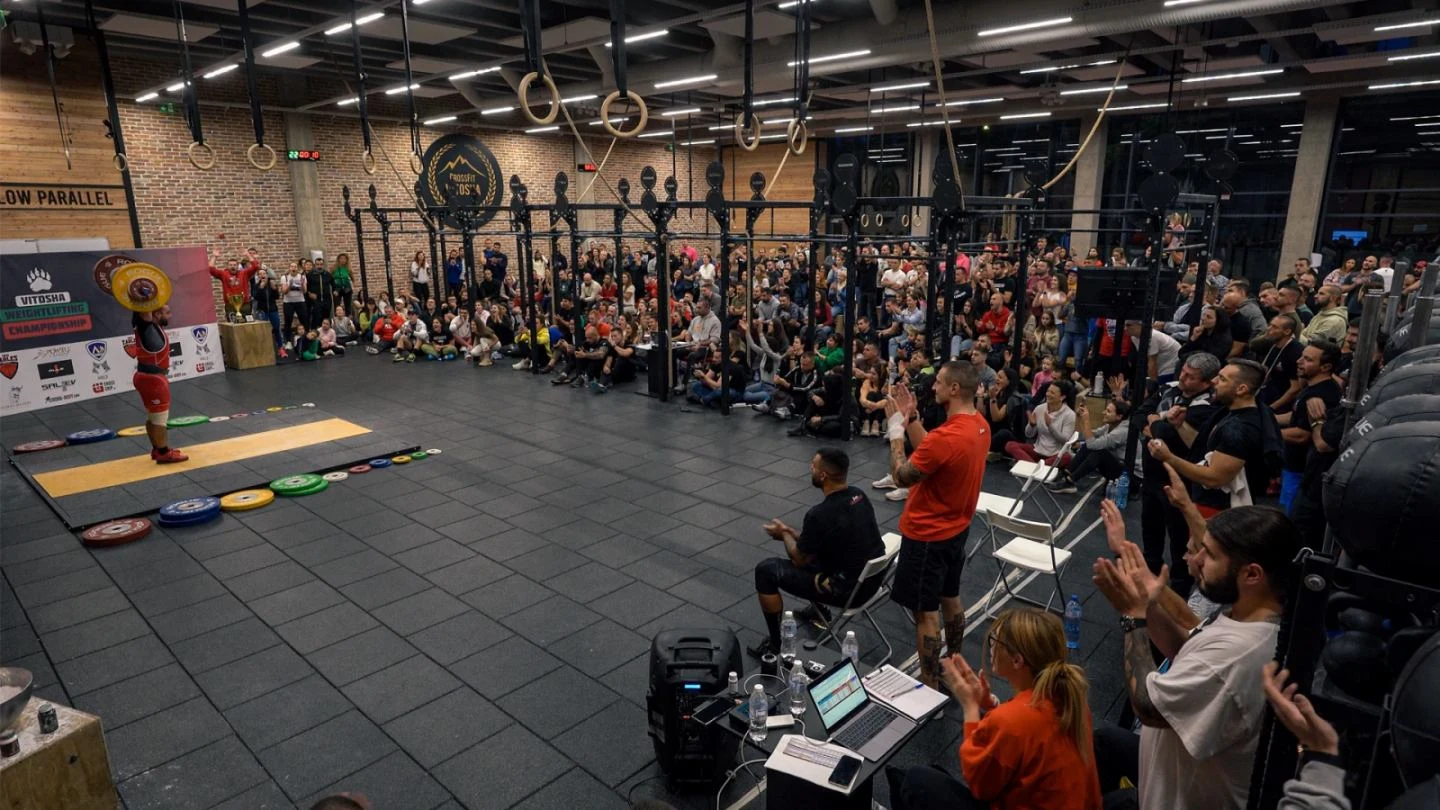
For someone used to major basketball or volleyball games, 300 people might not sound impressive, but for our competition it was incredible.
Later, Rado told me that while preparing for his first attempt, he had looked towards the audience and could not believe how many people were in front of him. He said he had never lifted in front of that many people before.
That was when I realized that what we were doing really mattered to people. And that perhaps weightlifting had much greater potential to attract an audience than we had imagined.
Of course, there have been many other wonderful moments too. When the entire audience gets behind an amateur stepping up for a third attempt after two unsuccessful lifts, and this time they make it! When you see the excitement of the children, and even more so of their coaches. Or when professional athletes come not only to compete, but to support everyone else too.
Karlos Nasar also visited us at the third edition, while he was recovering from an injury. He effectively took on the role of coach for his friend Zhechko, gave an interview and helped present the awards. That was another very special moment for all of us, particularly given the caliber of an athlete like Karlos Nasar.
Today, as we prepare for the seventh edition and have a real chance of exceeding our record of 100 participants, those are the moments I remember. They give us the energy to keep developing the competition and show us that our efforts are reaching the people we do it for.
4. From the outside, VWC looks like two days of competition, music, spectators and excitement. But what does organizing an event like this actually involve? What is the biggest challenge, and what do people often not realize is needed to make it happen?
After organizing six editions, we now have a fairly clear idea of what it takes to make a competition like this happen. Of course, a great deal of preparation goes into it, but I would not want to portray the organization as something impossible or exceptionally complicated.
The most important things are a good team, a clear plan and well-defined responsibilities. Everyone needs to know what is expected of them, there must be good coordination between people, and we need to be ready for unexpected situations.
For us, it is important that every edition is at least a little better than the one before it. Sometimes that means improvements to the organization; other times, to technical equipment, prizes, the look of the venue or the way we present the competition to the audience. The changes do not have to be enormous. What matters is continuous development.
We are fortunate to have a team of people who put a great deal of enthusiasm and care into what they do. Over the years, we have also built a circle of partners who believe in the event and support us financially. We are extremely grateful to them, because their help allows us to build on what we have achieved and bring new ideas to life.
But there is something else I would like to emphasize. I believe competitions like this can and should be organized more often. Not every event needs to be huge or have an impressive budget. With good organization, the right people and enough enthusiasm, some wonderful things can happen.
And the more events like this there are, the more opportunities athletes will have and the more people will discover weightlifting.
Of course, we also have much bigger ambitions ourselves. We have talked about organizing VWC at a larger venue in the future, with more participants and invitations to well-known athletes from across Europe.
But we do not want to get ahead of ourselves. Each next step needs to come at the right time, with the preparation and support it requires. We certainly do not lack ambition, though! (Laughs.)
5. Vitosha Weightlifting Championship 7 will take place on December 5 and 6. Registration is moving at an impressive pace, and this could be your biggest edition yet. What should participants and spectators expect this year? Is there anything new you would like to surprise them with?
I will not hide the fact that we initially had some doubts about the level of interest in this year’s edition. I would not say we were worried, but we had a feeling we might not attract quite so many participants. Fortunately, people surprised us in an exceptionally positive way.
At the moment, we have 97 registered participants out of 100 places, and everything suggests this could be our biggest edition yet.
This year, we also made a few relatively small but important changes. The most significant was launching our own website, vwc.bg, which made registration considerably easier and all the competition information much more accessible. It turned out that even improvements that seem simple at first glance can sometimes produce very good results.
We are particularly pleased by the diversity of those registered. We have twelve children, five professional athletes, many amateurs and nearly ten participants from abroad. What is more, while a large proportion of the athletes in the early editions came from our gym, today participants come from many different clubs, and our own athletes are just one part of the wider picture. For me, that is a very positive sign. It shows that VWC is gradually growing beyond our own community and reaching more and more people who love weightlifting.
As for the event itself, we have prepared a new stage, an improved space layout and visual presentation. We have also secured valuable prizes for the professional athletes. As always, we will do our best to give every participant not only gifts, but above all a well-organized competition that leaves them with a happy memory.
We cannot wait for December 5 and 6. I wish all participants good health, an injury-free competition and the chance to show their very best. And for us as organizers, I hope everything goes to plan and people leave with a smile.
Ultimately, the most important thing is to preserve what is written on our competition logo: “the love of weightlifting.”
6. Looking five years ahead, what would you like Vitosha Weightlifting Championship to look like? What is your big dream for this competition, and what would you like its legacy to be?
First of all, I hope that in five years we will all be alive and well, and that I will still be training in weightlifting and continuing to improve, even if only in small steps. (Laughs.)
On a more serious note, I would be incredibly happy if VWC developed to the point where we could afford to organize it twice a year, in a large venue, in front of a big audience, with athletes from across Europe and, why not, the world.
I dream of Vitosha Weightlifting Championship becoming a recognizable and respected competition that sets an example for good organization and for how this sport can be presented to an audience.
An event that brings value not only to athletes and their coaches, but to everyone who loves weightlifting.
In fact, this is the direction we have been talking about from the very beginning. With each edition, we try to take one small step towards it.
I hope that in five years we will be able to look back and say we succeeded. God willing!